IRD Discontinues Temporary VAT Registration for Commercial Imports – What Sri Lankan Importers Need to Know
Published by eFiling Tax Consultants
The Inland Revenue Department (IRD) has introduced an important administrative change that affects businesses engaged in commercial imports.
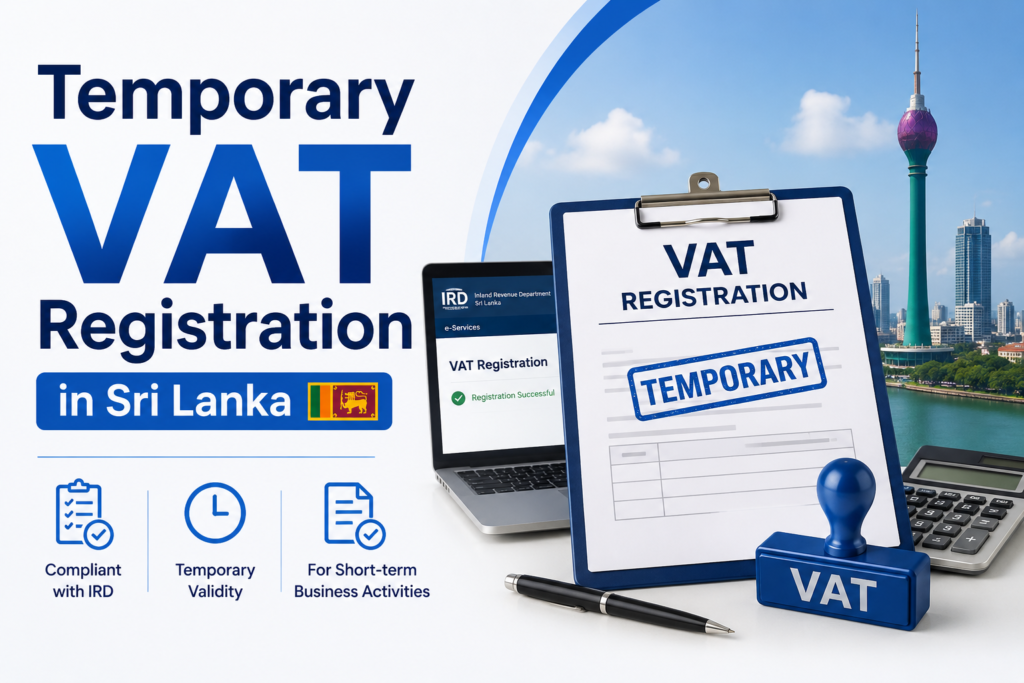
Temporary VAT Registration Certificates are no longer being issued for commercial import transactions.
This change means that businesses relying on temporary VAT registration for customs clearance should review their VAT status before importing goods into Sri Lanka.
What Was Temporary VAT Registration?
Temporary VAT Registration was a facility introduced by the Inland Revenue Department to assist businesses and individuals who were not yet eligible for permanent VAT registration but required a VAT registration number for specific import, export, or re-export transactions.
The registration was generally issued for a limited period and enabled businesses to complete customs formalities while remaining compliant with VAT requirements.
What Has Changed?
The IRD has now discontinued the issuance of Temporary VAT Registration Certificates for commercial imports.
As a result, businesses planning commercial imports should no longer rely on obtaining a temporary VAT certificate and should instead evaluate whether they are required to obtain Permanent VAT Registration or explore other applicable procedures under the current tax framework.
Who Is Affected?
This update is particularly relevant for:
- Importers of commercial goods
- Start-up businesses commencing import operations
- Trading companies
- Online sellers importing products for resale
- Manufacturers importing raw materials
- Businesses that previously relied on temporary VAT registration
What Should Businesses Do Now?
If your business imports goods into Sri Lanka, consider the following steps before placing your next order:
1. Review Your VAT Registration Status
Determine whether your business is required or eligible to obtain Permanent VAT Registration under the Value Added Tax Act.
2. Consult Your Customs Clearing Agent
Confirm the latest documentary requirements before your shipment arrives to avoid unnecessary delays at Customs.
3. Seek Professional Tax Advice
Every business has different circumstances. Obtaining professional advice before importing goods can prevent unexpected tax liabilities, customs delays, and compliance issues.
4. Maintain Proper Documentation
Keep complete records of:
- Commercial Invoices
- Bills of Lading or Air Waybills
- Payment confirmations
- Purchase Orders
- Customs declarations
- Import permits (where applicable)
Proper documentation remains essential for both Customs and Inland Revenue compliance.
Why This Update Matters
Failure to understand the latest VAT registration requirements may result in:
- Delays in clearing imported goods
- Additional storage and demurrage costs
- Compliance issues with Inland Revenue
- Unnecessary administrative complications
Being proactive can help businesses avoid costly disruptions to their supply chain.
How eFiling Tax Consultants Can Help
Our team assists businesses with:
- Permanent VAT Registration
- VAT advisory services
- Import and export tax compliance
- Inland Revenue Department registrations
- Tax health checks
- Corporate and individual tax compliance
If you are planning to import goods or are unsure how this change affects your business, we can assess your situation and recommend the most appropriate course of action.
Disclaimer: This article is intended for general information only and should not be regarded as professional tax advice. Businesses should consider their specific circumstances and seek professional advice before making tax or import-related decisions.